

Our Work
Breast Cancer and Environment Basics
Learn about the chemicals that have been linked to breast cancer and take action to reduce your risk.

Tips for Prevention
Tips on how you can make simple changes to protect your health.
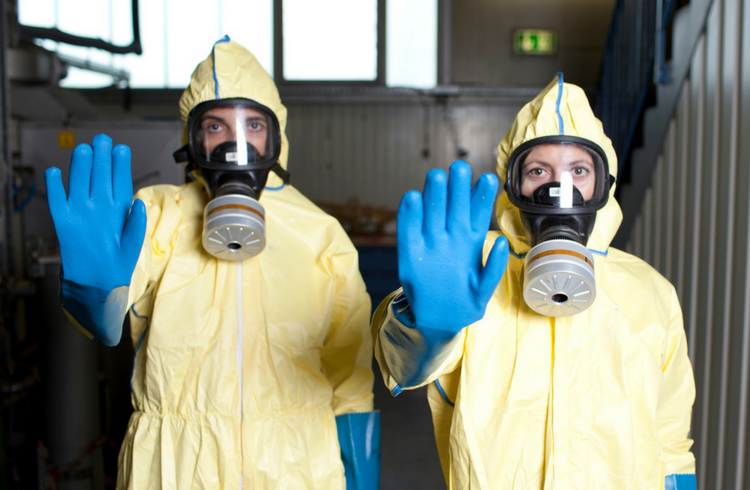
Exposures to Avoid
Minute exposures to some chemicals can lead to profound health impacts.

Core Science
Gain insight into the science behind breast cancer prevention.
Our Work: Introduction
At BCPP we are working to transform how everyone thinks about and uses chemicals and radiation in order to protect our health, prevent breast cancer and sustain life.
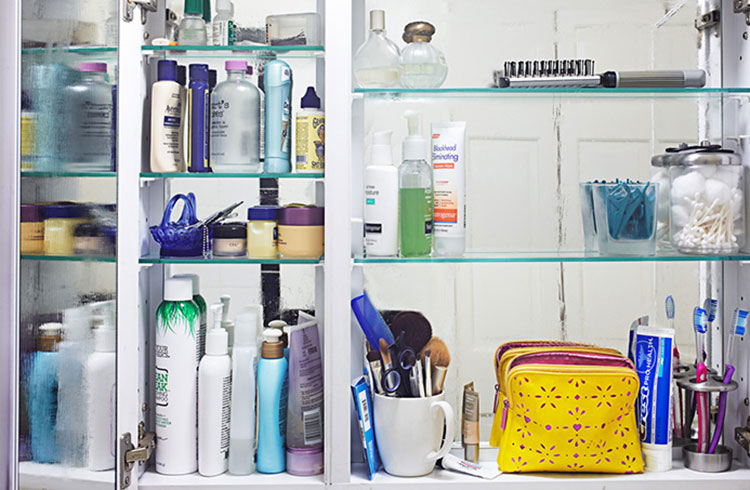
Personal Care Products
We’re committed to eliminating toxic chemicals in personal care products.
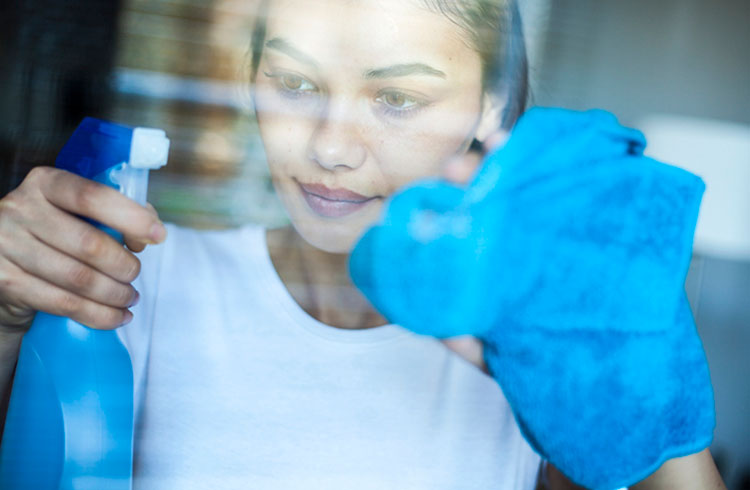
Cleaning Products
We support legislation that informs consumers about the ingredients in their cleaning products.
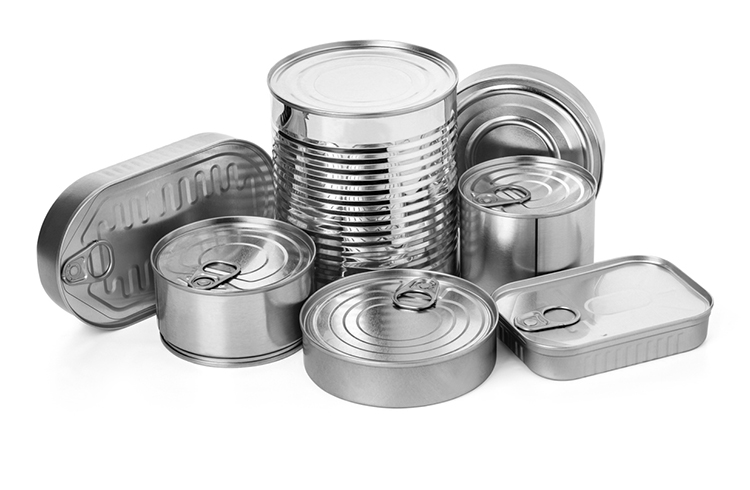
Food Packaging
We’re putting pressure on manufacturers to replace toxic chemicals in their packaging.

Workplace Health
We’re dedicated to the policy and education that supports working women’s health and safety.
Environmental Justice
We’re addressing the inequitable burden of toxic exposures created by systemic racism and economic inequality.

Policy Projects
We’re focused on grounding our work in new & current initiatives based on scientific evidence.

VICTORY:
Exposure to Toxic Phthalates in Decline
Researchers suggest that the decrease may be due to a federal ban on phthalates in toys and cosmetics in response to BCPP-led efforts.